
Introduction
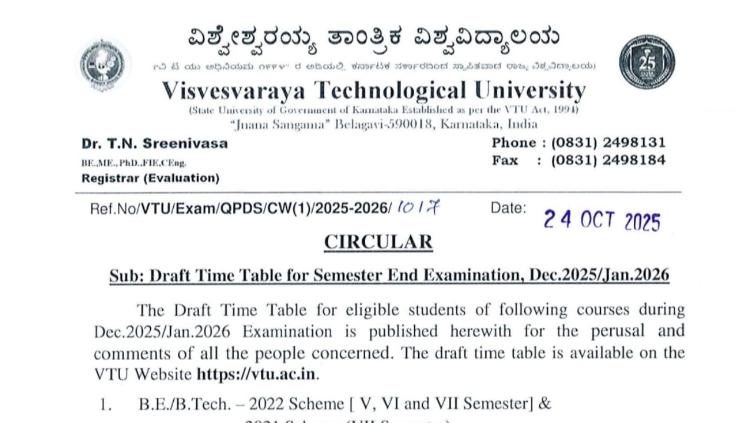
CSE vs ISE in VTU, Choosing the right engineering branch can feel like a make-or-break decision for your career. If you’re under VTU (Visvesvaraya Technological University), two of the most common choices today are Computer Science Engineering (CSE) and Information Science Engineering (ISE). Both sound similar on the surface, but they come with subtle differences that shape your college life, learning journey, and job opportunities.
Before diving into comparisons, here’s a quick insight: Many students think CSE is “superior” to ISE, but the truth is more nuanced. Both branches are closely aligned with the booming IT industry, and in many cases, the distinction matters less to recruiters than to students.
In this post, we’ll break down CSE vs ISE in VTU, explore real classroom experiences, compare career prospects, and provide fresh insights that help you make an informed choice.
Understanding the Basics
What is CSE (Computer Science Engineering)?
CSE is the flagship branch in most VTU-affiliated colleges. It focuses on theory, design, development, and application of software and computer systems. A CSE syllabus typically includes:
- Programming languages (C, Java, Python, C++)
- Data Structures and Algorithms
- Operating Systems
- Computer Networks
- Machine Learning & Artificial Intelligence
- Cloud Computing and Cybersecurity

CSE is often considered more research and algorithm-heavy, which attracts students who want to dive deep into hardcore computing concepts.
What is ISE (Information Science Engineering)?
ISE, while overlapping heavily with CSE, emphasizes information systems, databases, and the practical aspects of applying computing technologies. In VTU, ISE curriculum shares about 80–85% of its subjects with CSE but tilts toward:
- Database Management Systems (DBMS)
- Information Retrieval
- Software Engineering
- Web Technologies
- Data Analytics and Security
Think of ISE as slightly more application- and industry-oriented, while CSE digs deeper into theory and computation.
CSE vs ISE in VTU: Side-by-Side Comparison
Here’s a quick table that captures the essence:
| Factor | CSE | ISE |
|---|---|---|
| Focus | Core computing, algorithms, systems | Information systems, databases, analytics |
| VTU Curriculum | Heavy on theory, core CS subjects | Similar, but slightly less emphasis on hardcore theory |
| Class Size | Usually large (flagship branch) | Smaller, more personal |
| Recruiter View | Treated equally in IT jobs | Treated equally in IT jobs |
| Research Opportunities | Strong foundation for higher studies in CS/AI/ML | Suitable for applied research in Data Science/IS |
| Job Roles | Software Developer, System Architect, AI Engineer | Data Analyst, Software Engineer, Information Security Specialist |
| Perception | Considered “prestigious” | Considered “niche but equal” |
| Future Scope | Equally strong in IT and emerging tech | Equally strong in IT and emerging tech |
Life as a Student in VTU
Classroom Experience

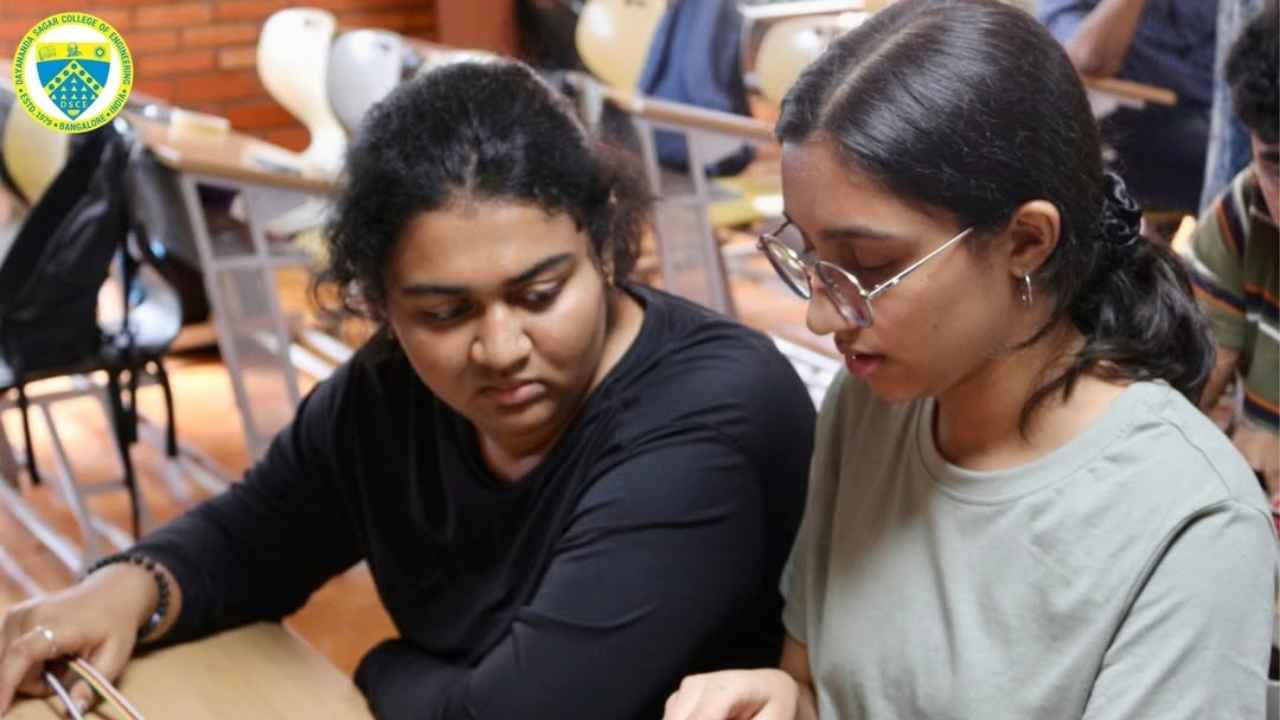
- CSE: Expect crowded classrooms, competitive peers, and a lot of focus on core computer science theory. Professors often push students toward coding competitions and research-oriented projects.
- ISE: Class strength is usually smaller, making it easier to build stronger faculty-student connections. You still study almost the same subjects as CSE students, but with slightly more emphasis on software systems and applied technologies.
Peer Perception
CSE is often seen as “the default tech branch” while ISE is sometimes misunderstood as “lighter.” But students who’ve experienced both say the difference is marginal — your interest and effort matter much more than your branch title.
Career Opportunities After CSE and ISE
One of the most common myths is that companies prefer CSE over ISE. In reality, most IT recruiters visiting VTU campuses (Infosys, Wipro, TCS, Accenture, Capgemini, and even product-based companies like Cisco, Intel, and Oracle) do not differentiate between the two branches.
Common Job Roles (CSE & ISE Alike):
- Software Developer / Engineer
- Web & Mobile App Developer
- Data Analyst / Data Scientist
- Cloud Engineer
- Cybersecurity Analyst
- AI/ML Engineer
Where CSE Students Have an Edge
- Research-heavy roles in algorithms, system design, and advanced computing.
- Opportunities abroad for MS in Computer Science, since the curriculum aligns well with global CS programs.
Where ISE Students Shine
- Roles in database management, business intelligence, and information security.
- Product-based companies focusing on applied tech (ERP, enterprise systems, and big data solutions).
Industry Perspective: Recruiter Insights
Recruiters rarely filter by branch; instead, they look for:
- Strong coding skills (DSA, problem-solving)
- Good communication and teamwork
- Internship/project experience
- Certifications (cloud, cybersecurity, AI, data science)
For example, a student from ISE with a solid GitHub portfolio and internship experience will often outshine a CSE student with only classroom learning.
Key Insights & Fresh Perspectives
- Branch Name vs Skills:
The biggest takeaway from VTU alumni is this — recruiters care about skills, not whether you studied CSE or ISE. - Peer Pressure Myth:
Many students feel pressured into choosing CSE because of societal perception. But in reality, ISE students enjoy smaller batch sizes, more faculty attention, and equal career outcomes. - Higher Studies Advantage:
- If you plan to pursue M.Tech or MS abroad in pure Computer Science, CSE may give you an edge.
- If you’re leaning toward MBA + Tech, Information Systems, or Data Science, ISE aligns better.
- The Startup Factor:
For students dreaming of launching startups, both branches provide the same foundation. What matters more is exposure to hackathons, industry projects, and networks.
Student Stories (Anecdotal Perspective)
- CSE Student (2022 Batch, VTU Bangalore Zone): “Our classes were packed, competition was intense, but it pushed me to explore coding beyond the syllabus. I cracked a product-based company because of DSA practice, not just because I was in CSE.”
- ISE Student (2021 Batch, VTU Belagavi Zone): “Initially I felt ISE was looked down upon, but our projects were more application-focused. I landed a role as a Data Engineer at a top MNC. In interviews, nobody cared about CSE vs ISE; they cared about my SQL and Python skills.”
These experiences show that personal drive matters far more than branch labels.
Future of CSE and ISE in India
With India’s tech industry booming, both CSE and ISE graduates under VTU will continue to see strong demand. Emerging fields such as:
- Artificial Intelligence & Machine Learning
- Cybersecurity
- Cloud Computing
- Blockchain
- Data Science
…are equally accessible to students of both branches.
The upcoming NEP 2020 reforms in Karnataka may also blur branch boundaries further, allowing more elective-based flexibility — meaning future students might mix CSE and ISE subjects freely.
Conclusion
At the end of the day, the CSE vs ISE in VTU is more about perception than reality. Both branches share a similar curriculum, both lead to strong career opportunities, and both equip you with the skills needed to thrive in the IT world.
Here’s the golden rule:
👉 Choose the branch that excites you, not the one society pressures you into. If algorithms and theory fascinate you, go for CSE. If applied systems, databases, and real-world information flow excite you, ISE is a fantastic choice.
No matter what you choose, your skills, projects, and passion will determine your future, not just your branch name.